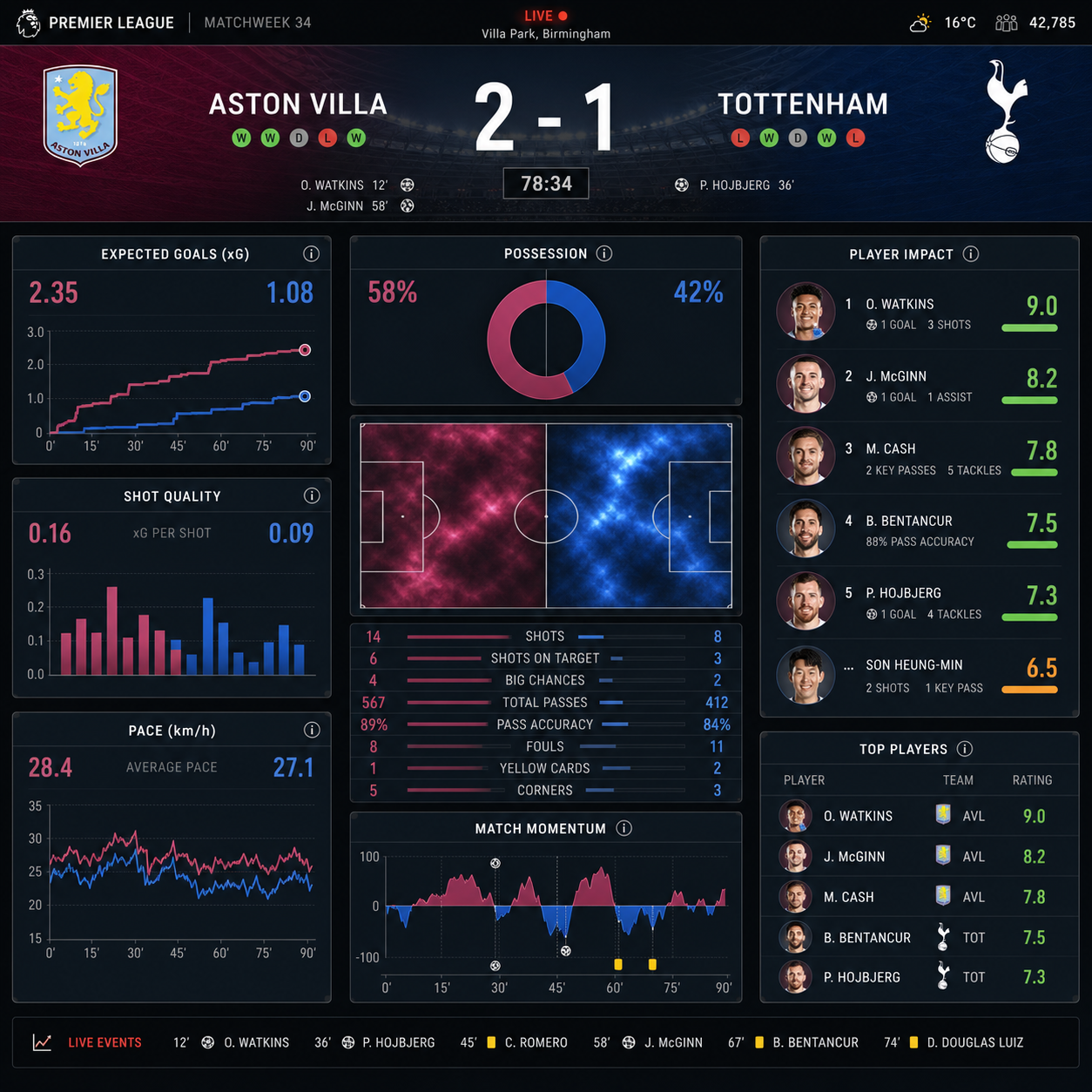
The Impact of VAR on Live Score Updates in Football
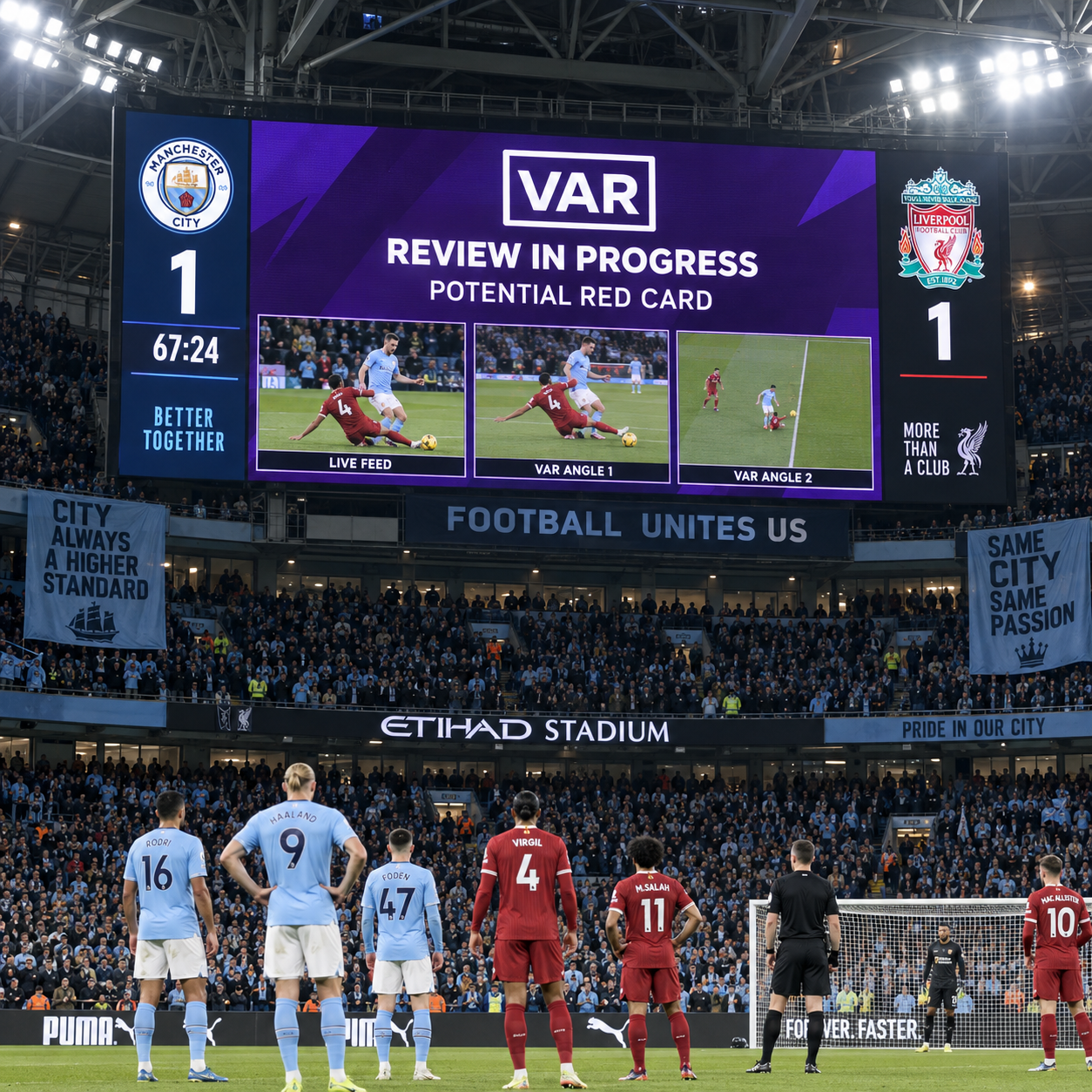
Video Assistant Referee (VAR) has changed how football matches are followed minute by minute. A goal, penalty, offside decision, or red card may appear to settle the match, yet the official outcome can remain open while match officials review the incident.
For live sports scores users, this creates an important distinction: the fastest update is not always the final decision. Modern score services must balance speed with accuracy, showing what appears to have happened while waiting for confirmation from the referee team.
How VAR Changed Live Football Match Tracking
VAR changed live football match tracking by making some major events provisional until match officials complete a review. Live score services now need to represent both the incident on the pitch and its official status.
Before VAR, a goal or sending-off decision was usually treated as final as soon as the referee signalled it. With Video Assistant Referee technology, the on-field decision can be checked against video footage. The review may concern whether the ball crossed the line, whether an attacking player was offside, whether a foul occurred inside the penalty area, or whether a red-card offence was identified correctly.
This affects more than the headline score. A live football scores platform may also need to update:
- the match timeline and event minute;
- goal scorers and assists;
- penalty awards and missed penalties;
- yellow and red cards;
- match status, such as a goal being under review;
- real-time notifications sent to phones and browsers.
The practical result is a two-stage information model. First comes a rapid event signal based on what happened on the field. Then comes the confirmed match event after the referee communicates the final decision. Reliable platforms make this distinction visible rather than silently replacing one version with another.
Why VAR Can Delay Live Score Updates
VAR can delay live score updates because an apparent goal, penalty, or red card may need to be checked before it becomes an official match decision. The delay lasts as long as the review and communication process requires.
A typical sequence starts when the referee makes an on-field decision. The VAR team then checks the relevant footage, sometimes using different camera angles or a calibrated offside line. If the incident meets the threshold for intervention, the referee may receive advice or view the replay at the pitchside monitor. Only after that process does the official outcome become clear.
Score update delays can therefore have several causes:
- Review time: officials need to examine the incident and determine whether a clear error occurred.
- Communication time: the final decision must move from the referee team to the match data provider.
- Data validation: score operators may confirm the event before sending it to users.
- Different feeds: television, stadium displays, betting data, and score apps may receive information at slightly different times.
A score service may briefly show a goal while the review is active because the ball entered the net and the referee initially awarded it. Another service may wait before changing the score. Neither difference automatically indicates an error; it can reflect different policies for handling provisional information.
On-field communication also matters. A referee’s signal may be visible before the official data feed is updated, while a provider receiving automated event data may publish a provisional alert before a human operator confirms the decision.
How Goals, Penalties, and Cards Are Reported During Reviews
During a VAR review, live score platforms may show an event as provisional, delay publication, or publish it and then correct it when the official decision changes. The exact presentation depends on the platform’s data policy.
Goals and offside decisions
When a goal is scored, a platform may immediately display a changed score and a goal notification. If VAR identifies an offside offence or a foul in the attacking phase, the goal can later be cancelled. The score then returns to its previous state, and the timeline may show a disallowed goal or a correction.
The reverse can also happen. A goal initially ruled out may be awarded after review, causing the scoreline and goal details to appear after a short delay. In both cases, the final score should follow the referee’s confirmed decision, not the first visual impression.
Penalty decisions
A penalty award may be reviewed to determine whether contact occurred inside the penalty area, whether the foul was committed by the defending team, or whether the initial decision should be overturned. The score itself does not change when a penalty is awarded, but the match event and tactical context do.
If the penalty is later cancelled, users may see the penalty event removed or marked as overturned. If the penalty stands, a subsequent goal may be recorded separately. A missed penalty also remains a significant event even though it does not alter the score.
Red cards and other disciplinary events
VAR can review potential straight red-card incidents, including serious foul play or violent conduct. A red card may appear as pending, be confirmed, or replace an earlier yellow card. Some platforms show the original card and the correction in the timeline so users can understand what changed.
These corrections matter for match tracking. A team playing with ten players, for example, has a different tactical situation from a team that keeps eleven, even when the score remains unchanged.
The Effect of VAR on Accuracy and Reliability
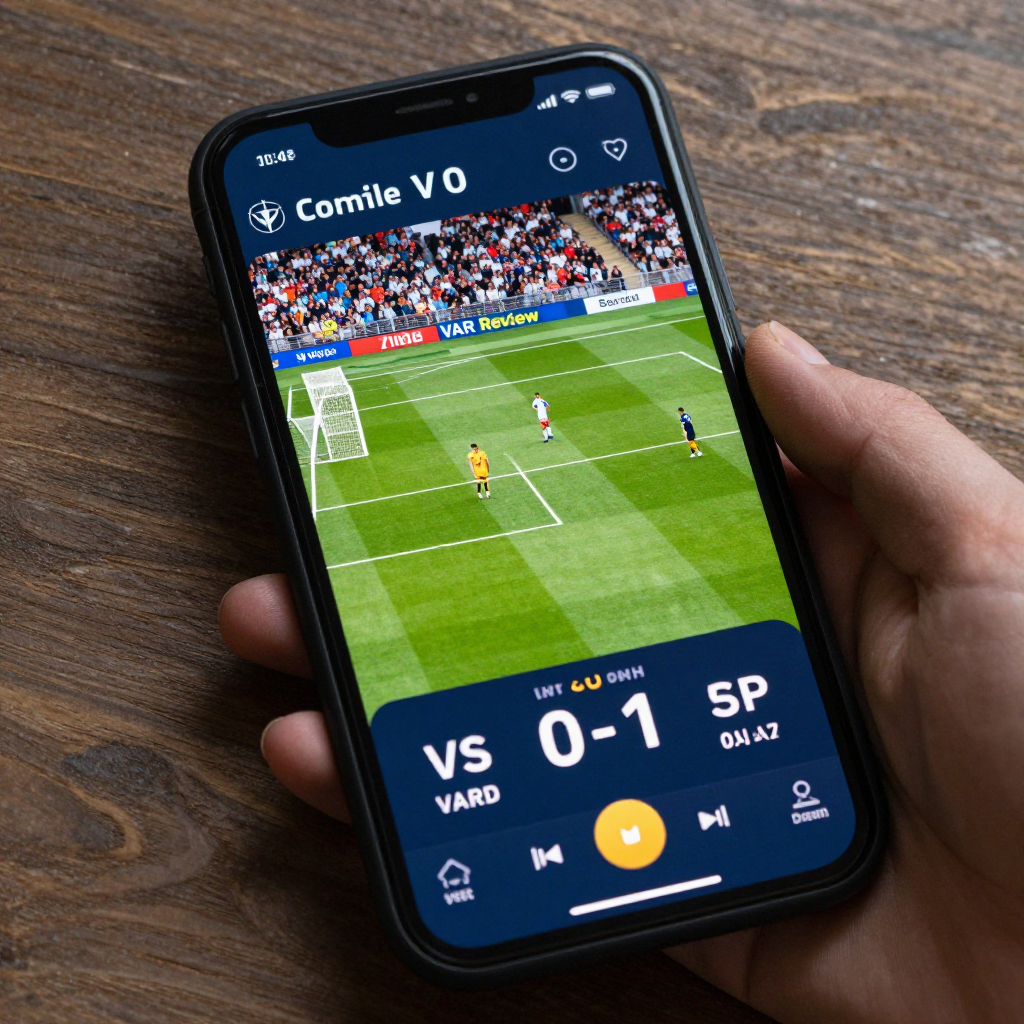
VAR can improve the accuracy of live football scores by reducing the chance that a provisional decision remains incorrectly recorded, but it can also create temporary uncertainty while the review is unresolved.
The main benefit is a more dependable final record. Once officials confirm a goal, penalty, offside decision, or red card, live score providers can align the event timeline with the official match outcome. This helps fans, journalists, clubs, broadcasters, and statistical services use the same result.
The trade-off is a short period in which the information is incomplete. A platform that publishes instantly may be faster but require later corrections. A platform that waits for confirmation may be more accurate at first publication but appear slower to users watching the match live.
A useful way to assess score reliability is the three-status model:
- Observed: an event appears to have happened, such as the ball entering the net.
- Under review: VAR or match officials are checking whether the event should stand.
- Confirmed: the referee’s final decision has been communicated and recorded.
Clear status labels are more valuable than simply trying to be first. A temporary scoreline labelled under review gives users context, while an unexplained reversal can make a service appear unreliable even when it eventually reaches the correct result.
VAR and Live Notifications
VAR affects live notifications by making alerts more conditional: a goal, penalty, offside decision, or red card may be followed by a confirmation, amendment, or cancellation notification.
Fast notification systems often send an initial alert when a major event is detected. This supports users who are following several matches at once, but it creates a responsibility to correct the record quickly if VAR changes the outcome.
Common notification patterns include:
- Goal alert: sent immediately, followed by a goal-confirmed message or a disallowed-goal correction.
- Penalty alert: issued when the referee points to the spot, then updated if the penalty is overturned.
- Offside alert: displayed when a goal is ruled out or when a review changes an initial offside decision.
- Red-card alert: amended if VAR changes a yellow card to a red card or overturns the dismissal.
Users should read the latest event status rather than relying only on the first push notification. A notification can remain in a phone’s history even after the match timeline has been corrected. For this reason, the live score page is usually the better reference during an active review.
Platforms also face a design choice. Sending every provisional alert provides speed but may create notification fatigue. Sending only confirmed events improves clarity but can leave fans several moments behind the action. The strongest systems identify provisional events clearly and send correction messages only when the final outcome changes.
What Live Score Users Should Expect During a VAR Check
During a VAR check, expect a temporary pause, a provisional score or event status, and a possible correction once match officials announce the final decision.
These practical habits make live match tracking easier:
- Check the event label. Look for terms such as under review, pending confirmation, disallowed, overturned, or confirmed.
- Separate the score from the incident. A penalty can be awarded without a goal, while a goal can appear before it is officially confirmed.
- Wait for the referee’s decision. The on-field signal and the final VAR outcome carry more authority than an early app alert.
- Refresh the match timeline. Some services update the score first and add the explanation a few seconds later.
- Read correction notices. A reversed score or removed card may reflect a normal VAR amendment rather than a data failure.
One common mistake is treating the first score change as permanent. Another is assuming that a long delay means the original decision will be overturned. Review length alone does not reveal the result. The safest interpretation is simple: until the event is confirmed, the match information is provisional.
The Future of VAR and Real-Time Football Coverage
The future of VAR and real-time football coverage will depend on how effectively score platforms balance speed, transparency, and accuracy. Better status labels and faster official data communication are likely to matter as much as faster video review.
Live score services can improve the experience by showing a visible review state, preserving the original event in the timeline, and recording the final decision beside it. This gives users a short explanation rather than an unexplained change in the scoreline.
Future systems may also provide more structured event data, including the type of review, the decision being checked, and the exact time at which the result was confirmed. Automation can distribute updates quickly, but human validation remains valuable for unusual incidents and complex corrections.
The central challenge will remain familiar: users want immediate information, while football’s official record sometimes takes longer to settle. VAR does not remove that tension. It makes the difference between a fast update and a final update more visible.
Frequently Asked Questions About VAR and Live Scores
Why do live football scores sometimes change after a goal?
Live football scores can change after a goal because VAR may find an offside offence, a foul, or another reason to cancel the initial decision. The score is then restored to its previous state, often with a disallowed-goal note.
How long can a VAR review delay a score update?
A VAR review can delay a score update for the time needed to check the footage, communicate with the referee, and send the confirmed decision to the data provider. The duration varies by incident and competition.
Does VAR affect live score notifications?
Yes. A live score notification may be delayed, marked as provisional, or followed by a correction notification if VAR changes the original decision.
Why can a goal appear before it is officially confirmed?
A goal can appear first because the ball entered the net and the initial on-field decision was recorded immediately. The event may remain provisional until the VAR review finishes.
How should fans interpret a score during a VAR review?
Fans should treat the score and event as provisional when a review is active. Wait for the confirmed match decision, then use the updated timeline as the authoritative live-score record.