How Fantasy Sports Rely on Live Score Data

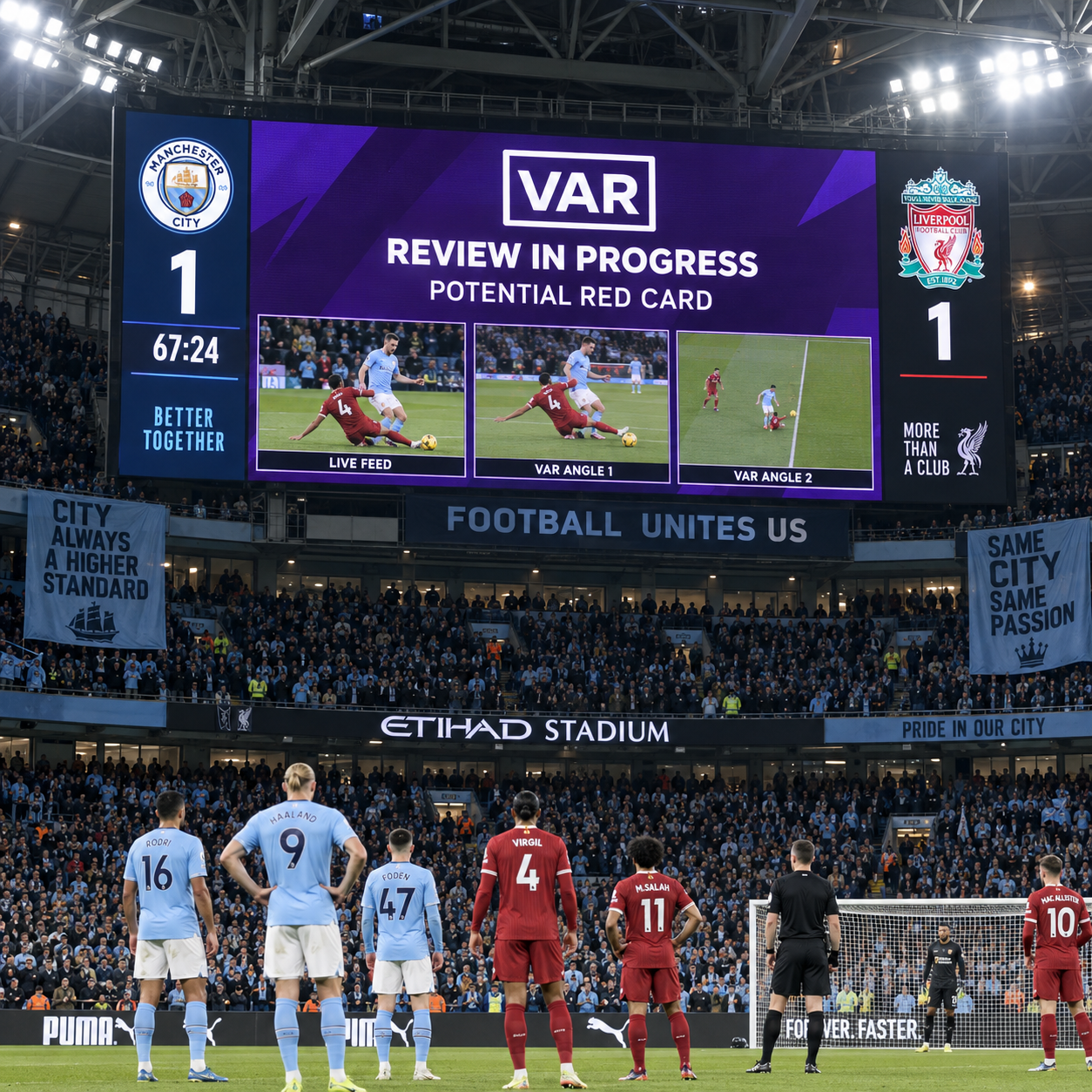
Fantasy sports connect a virtual roster to real games. As athletes score, pass, rebound, make tackles, or record other events, live score data helps fantasy platforms track player performance and update fantasy points. The same updates help participants monitor matchups and understand how a changing game affects their teams.
That connection depends on more than the scoreboard. Detailed real-time statistics, game events, data processing, and each platform’s scoring rules all shape the total a user sees. Knowing how those pieces fit together makes live fantasy scores easier to follow, especially when a total changes during or after a game.
What live score data includes
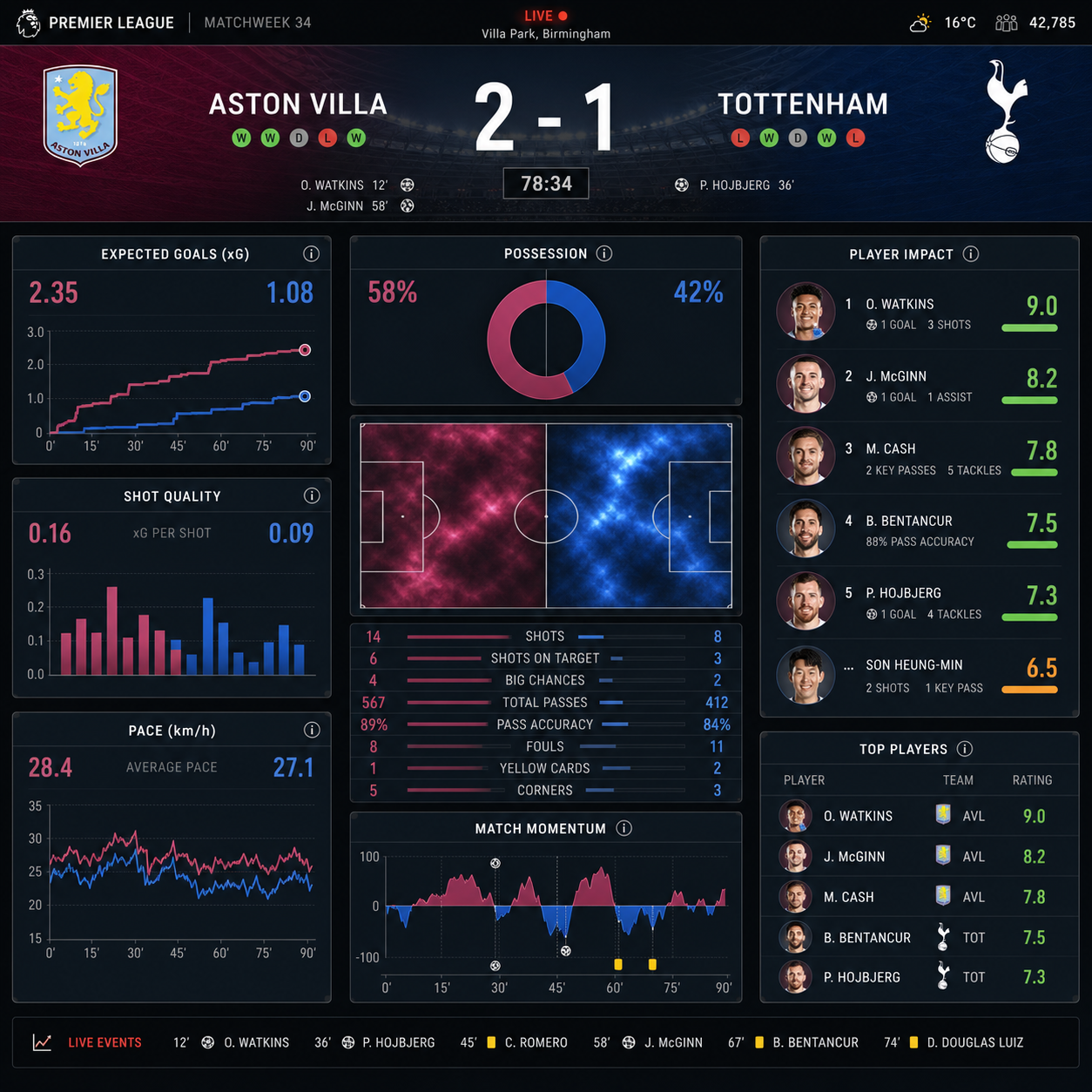
Live score data includes the current game score, individual player statistics, and key events recorded as a game unfolds. Fantasy services use these updates to track the real-world performances connected to a user’s roster.
A score feed can show the result of a game, but fantasy scoring often needs more granular information. Depending on the sport, that may include goals, assists, shots, rebounds, passing yards, touchdowns, strikeouts, or defensive actions. A play-by-play feed adds context by recording events such as a substitution, a change of possession, or a scoring play.
- Game-level information: score, period or inning, time remaining, and game status.
- Player statistics: the individual figures used by a fantasy league’s scoring system.
- Game events: recorded actions that may change a player’s statistics or explain how a score occurred.
Data providers collect and distribute information from games, while fantasy platforms map that information to player profiles and update their interfaces. The display may refresh continuously or at intervals, so a live score screen is a useful snapshot, not necessarily a frame-by-frame account of everything happening on the field or court.
How live stats become fantasy points
Live statistics become fantasy points when a platform applies its league’s scoring rules to each recorded player statistic. A real-world event matters to a fantasy total only if the rules assign it a value.
For example, a fantasy football league might award points for passing yards and touchdowns while subtracting points for interceptions. If a player records a touchdown pass, the relevant statistics can add points for both the passer and receiver, depending on the league’s rules. In basketball, a rebound or assist may add to a player’s total; in baseball, a strikeout or run batted in may count. The exact values vary, so the same performance can produce different totals in different leagues.
The calculation follows a simple sequence:
- A game event occurs, such as a completed pass, a goal, or a rebound.
- The event is recorded as one or more player statistics.
- The platform applies its scoring rules to those statistics.
- The resulting fantasy points appear in the player’s and team’s totals.
Scoring rules are the key: live stats supply the inputs, but the league settings determine their fantasy value. Before interpreting a total, check whether your league uses standard, custom, or bonus-based scoring. A stat that looks important in the game may have little fantasy impact if the rules do not reward it.
Why update speed and accuracy matter
Fast, accurate live score updates matter because they determine how quickly fantasy points reflect player performance and whether users can trust the totals. Delayed or incorrect data can briefly misstate a matchup or a player’s contribution.
During a close contest, a single event may shift the visible standings. A late touchdown, a goalkeeper’s save, or a basketball rebound can change a fantasy matchup when the relevant scoring rules count it. If a platform has not received or processed that statistic yet, its total may lag behind the game. A short delay does not necessarily mean the underlying event was missed; data often moves from the game feed through a provider and into the fantasy service.
Accuracy matters just as much as speed. The event must be attributed to the right player and recorded in the correct category. If a play is initially credited to one athlete and later reassigned, the fantasy totals that depend on it may change. Reliable data handling helps platforms keep scores consistent, but no live feed should be treated as immune to corrections.
For users, the practical test is clarity: a useful service should make it easy to see the game status, the player stats behind a total, and whether those numbers are live or final. The trade-off is that the fastest display may show provisional information that gets corrected later.
How players use live data during games
Fantasy participants use live data to monitor their lineups, compare active players in a matchup, and make decisions that their league permits during games. The information supports awareness, but it cannot guarantee a better result.
Before a game starts, lineup management may involve checking whether rostered players are active and confirming which ones are playing in the current time window. Once games begin, live statistics help users see whether a player is accumulating the categories their league rewards. A fantasy manager who trails late in a matchup might watch an active player’s remaining opportunities, while someone ahead may focus on which opponents still have players in action.
In-game choices depend on league format. Some contests allow substitutions or roster changes only before a player’s game starts; others may have specific live-management rules. A user should check those settings rather than assume a displayed score creates an opportunity to change a lineup. Live data can also be incomplete for a moment, so making a decision based on one unconfirmed event carries a risk.
Use a simple three-part check when following a matchup: confirm the player is active, review the relevant live statistics, then compare those numbers with your league’s scoring rules. This keeps attention on meaningful information instead of treating every visible game event as a fantasy advantage.
What can cause discrepancies in fantasy scores
Fantasy scores can differ across screens or change after a game because of update delays, official stat corrections, and variations in platform scoring rules. A discrepancy does not automatically mean that a service has calculated the points incorrectly.
During a live game, one source may receive an event before another, or a fantasy platform may refresh its display less often than its data feed. After the game, official statisticians can review a play and amend a player’s record. If that correction affects a fantasy category, the platform may recalculate the player’s points and the matchup result.
Different platforms can also show different totals for the same player because their leagues use different scoring settings. One league may award a bonus for a performance milestone, while another may not; deductions and fractional points can vary as well. Compare the underlying player statistics and scoring rules before comparing totals.
- Check the game status: live totals may still be provisional.
- Review the stat line: identify which statistic changed rather than relying only on the headline total.
- Confirm league settings: scoring rules, bonuses, and deductions explain many cross-platform differences.
For a final result, use the fantasy platform’s stated scoring and correction policies. A general live score source can help you follow the game, but it does not replace the league’s official rules.
Choosing a useful live score source
A useful live score source presents timely game coverage, clear player statistics, and enough context to follow the events that affect fantasy points. It should make relevant information easy to verify without implying that every live number is final.
Look for a service that shows the score and game status alongside player-level stats. For fantasy use, a detailed stat line is more valuable than a score alone, particularly when your league rewards categories such as assists, tackles, or pitching statistics. Play-by-play updates can help explain how a stat was recorded, though coverage detail varies by sport and provider.
Check how the source labels live, completed, and corrected information. If a fantasy total looks wrong, compare the player’s underlying statistics and then consult your league’s scoring settings. This separates a data delay from a scoring-rule difference. For any decision that depends on roster eligibility or deadlines, rely on the platform’s own rules and timestamps.
A practical source should answer three questions: What happened in the game? Which player statistics changed? How might those stats count in my league? If it answers only the first, it can still be useful for following the score, but it may not provide enough detail to explain a fantasy total.
Frequently asked questions
Which live stats most often affect fantasy points?
The most influential live stats depend on the sport and the league’s scoring rules. Common examples include touchdowns and passing yards in football, goals and assists in soccer or hockey, rebounds and assists in basketball, and hits, runs, or strikeouts in baseball. Check your league settings to see which categories count and how much each is worth.
Why can fantasy scores change after a game?
Fantasy scores can change because an official statistic was corrected or because the platform completed a later update. When a player’s credited stat changes, the platform may recalculate the points and standings under the league’s scoring rules.
Do fantasy platforms update scores at the same time?
No. Platforms can receive data from different providers, process updates at different speeds, and refresh their displays on different schedules. A brief difference between live totals is possible, even when both platforms ultimately reflect the same official statistics.
Can live score data help with in-game decisions?
Yes. Live score data helps fantasy participants monitor active players, matchup progress, and relevant player performance. Whether it supports a lineup change depends on the league’s rules, and live information cannot predict what will happen next or guarantee a better outcome.