
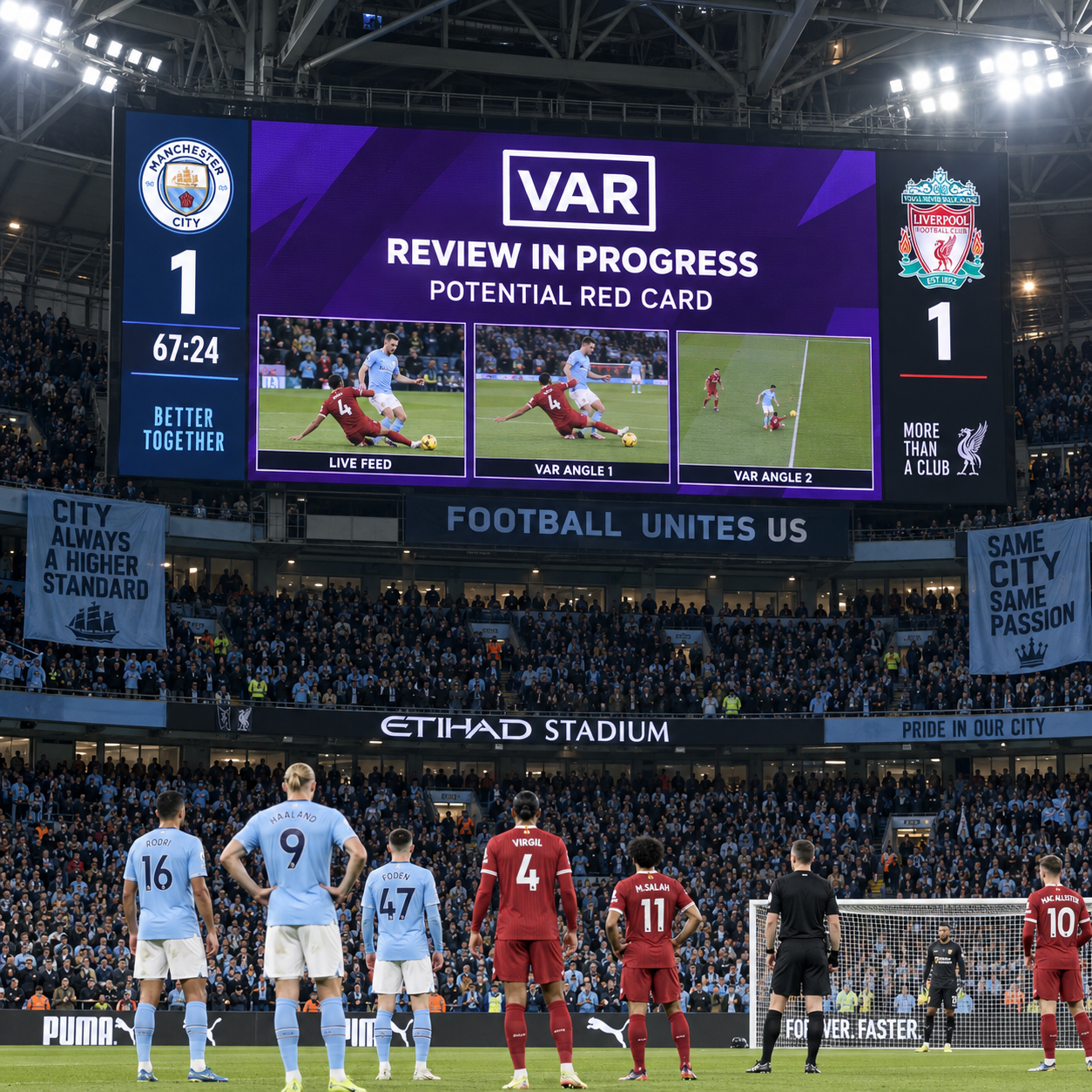
Historical Moments When Live Scores Made History
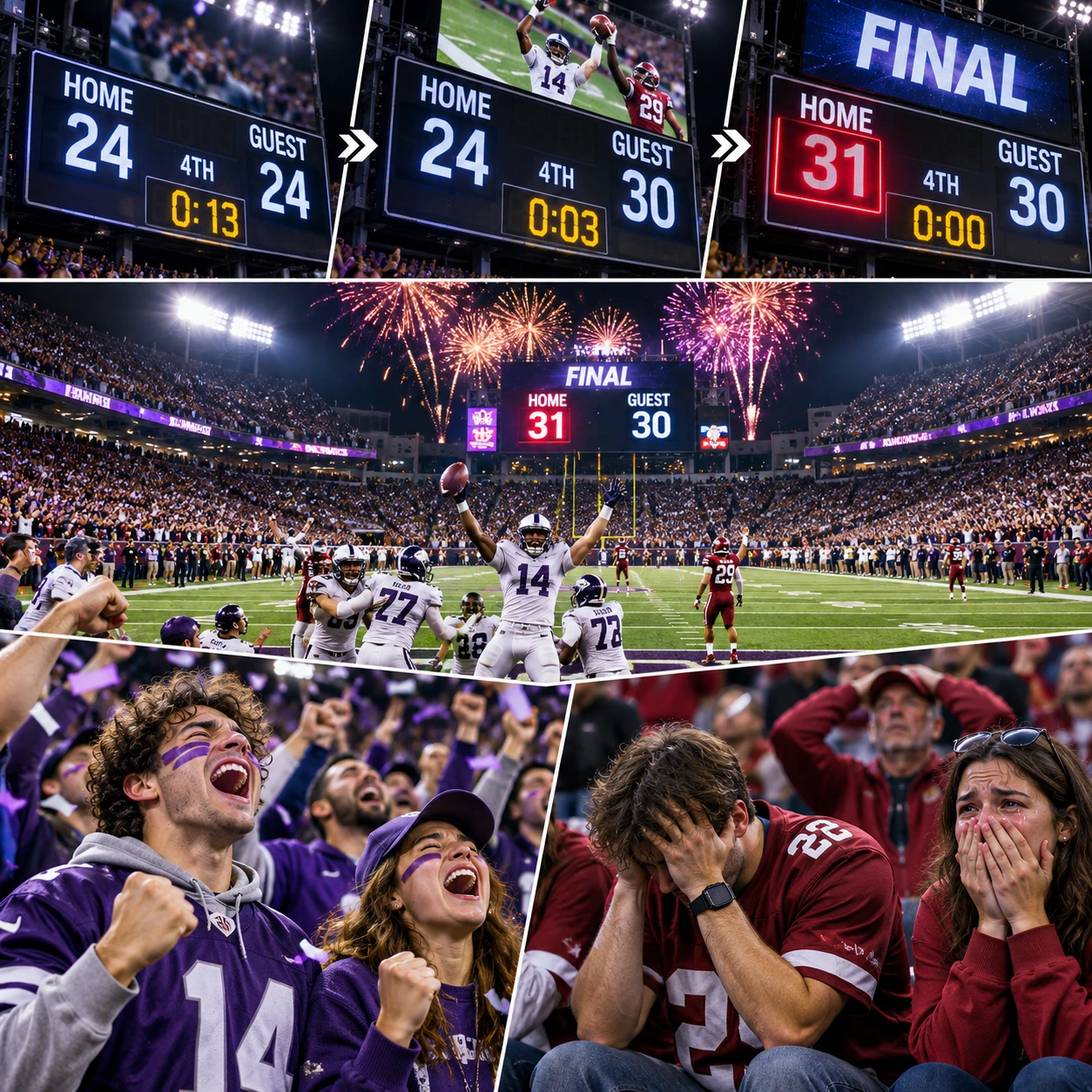
A live score is a small piece of information with an unusually large job: it tells fans how a contest is changing while the outcome remains uncertain. A goal, a game-winning shot, or a sudden swing on the scoreboard can turn an ordinary update into a moment people remember for decades.
Some historical scores mark a comeback or an upset. Others capture the final seconds of a championship, when every tick of the match clock seems to matter. The number alone rarely tells the full story. Its meaning comes from what changed, what was at stake, and who was watching.
Why a Live Score Can Become Part of Sports History
A live score becomes historically significant when a change in the score captures a turning point in a contest or competition. It makes the drama immediate, giving fans a shared record of events as they unfold.
Before a final score is settled, each update changes the possibilities. A team takes the lead, an opponent draws level, or a seemingly safe advantage begins to shrink. The scoreboard offers a simple measure of progress, but context gives that measure its emotional weight: the quality of the opponent, the time remaining, and the consequences of the result.
Think of the score as a running headline rather than a complete account. It can tell you that a comeback is underway, but not whether a team has changed tactics or a player is carrying the attack. For remote fans, live score updates provide a reliable thread to follow; for those watching on television or in the stadium, they reinforce the moment everyone is experiencing together.
Comebacks That Turned the Score Around
A comeback makes history when a team turns a deficit into a result that once looked unlikely. Each score update narrows the distance between defeat and possibility, until the contest has a new shape.
The 2005 UEFA Champions League final is a defining example. Liverpool trailed AC Milan 3–0 at halftime, then scored three times in the second half to make it 3–3. Liverpool eventually won the final on penalties. The halftime score had suggested a comfortable Milan victory; the changing score made the match a remarkable reversal and one of the competition’s most remembered finals.
Comebacks also show why timing matters. An early goal or basket can be answered with plenty of time to play. A late surge leaves fewer chances and raises the cost of every mistake. Fans tracking the score may see a team move within one point or one goal, but the shift in expectation is just as powerful as the arithmetic.
Still, the score alone can overstate or understate a comeback. A team may dominate for long stretches before finally converting its chances, while another may score quickly from a rare opportunity. To understand the turnaround, pair the live score with the match clock and the sequence of events.
Last-Second Plays and Decisive Scores
A last-second play becomes unforgettable when it changes the result just before time expires. The final score records who won, while the match clock explains how little margin remained.
In the 1980 Winter Olympics, the United States men’s ice hockey team defeated the heavily favored Soviet Union 4–3 in the medal round. The result, often remembered as the “Miracle on Ice,” became a defining upset and a major moment in American sports history. The scoreboard showed a one-goal difference; the circumstances made that difference resonate far beyond the rink.
Basketball offers another familiar kind of drama: the game-winning shot. A basket at the buzzer can turn a tied game into a win in a few seconds, leaving little room for the audience to process what happened before the final score appears. In soccer, a last-minute goal can decide a knockout tie or rescue a team from elimination, though added time means the exact end of a match is not always predictable.
These finishes are difficult to follow through score alone. A live update can lag behind play, and a clock display may differ across broadcasts or systems. When the result is close, a confirmed final score matters more than a provisional notification.
Upsets That Rewrote Expectations
An upset becomes a milestone when an underdog defeats a team widely expected to win. The live score lets fans watch that expectation change, update by update.
The United States victory over the Soviet Union in 1980 is one prominent example, but upsets occur across sports and levels of competition. A lower-ranked tennis player can take an early set from a tournament favorite. A smaller college basketball program can eliminate a national contender. As the score moves, the question changes from whether the favorite will recover to whether the underdog can finish the job.
That shift gives an upset a distinctive rhythm. A lead may look fragile at first, then become more credible as the match clock runs down. The underdog’s fans begin to believe; the favorite’s supporters look for signs of a response. When the final score confirms the result, it turns a live surprise into a lasting reference point for both teams.
Not every unexpected score is proof of a historic upset. A single result can reflect injuries, conditions, or a poor performance, and labels such as “biggest ever” require a clear basis for comparison. The more useful question is what the result changed: a team’s tournament path, a rivalry, or the way future opponents viewed it.
Championship Moments Measured on the Scoreboard
In a championship, the score can decide a title, a record, or a place in a competition’s history. A narrow margin often makes the result feel even more consequential.
Some championships are settled by one score in the final moments. Others demand consistency over several games, sets, or stages, with each live update adding to a larger contest. In either format, the scoreboard connects an individual performance to a wider outcome: a trophy, a qualification, or a season’s defining achievement.
The final result also fixes the official account of a competition. A close score can preserve the tension of a final, while a wide margin may reflect a team’s control. But neither number explains everything. A championship decided by a single point may have featured a dominant performance followed by a late rally; a comfortable final score may hide a tight first half.
For that reason, the most meaningful record combines the score with the setting: the round, the opponent, the time remaining, and what the winner secured. Context turns a result into a milestone. Without it, even a championship score can become just another line in a results list.
How Live Scores Help Fans Follow History as It Happens
Live scores help fans follow a sporting event remotely by showing the current result and, often, key changes as they happen. They are especially useful when a broadcast is unavailable or several games are taking place at once.
A score service can keep a fan informed of goals, points, sets, or innings without requiring continuous viewing. Some platforms also show the match clock, scorers, cards, substitutions, or play-by-play events. Those details help answer a practical question: did the score change because of a late goal, a penalty, or a run of scoring?
For the clearest picture, use a simple three-part approach:
- Check the score and clock together. A one-point lead with seconds left is different from the same lead early in the game.
- Look for the event behind the update. A goal or game-winning shot explains why the number changed.
- Confirm the final result. Close finishes can involve reviews, corrections, or delays before a score becomes official.
Live updates are convenient, but they are not a substitute for watching the match. Refresh rates vary, and a notification may arrive after the play has already happened. For a crucial result, treat the score feed as a guide and verify the final score with a trusted competition or broadcaster source.
What Makes a Scoreline Memorable?
A memorable scoreline combines stakes, timing, and context. It tells fans what happened and, when understood alongside the match, why the result mattered.
A useful way to judge a historic live score is to ask three questions: What was at stake? When did the score change? What did the result alter? A late equalizer in a routine match may be exciting, but a last-minute goal in a championship final carries a different weight. A narrow upset becomes more significant when it ends a title run or opens a path to a trophy.
Scores are powerful because they are precise, but precision is not the same as a complete story. The scoreboard preserves the outcome; the match clock captures the pressure; the events around them explain the human drama. Together, those details make a live update more than a number and help fans recognize history while it is still happening.
Frequently Asked Questions
What makes a live score historically significant?
A live score becomes historically significant when it records a turning point with lasting consequences, such as a championship win, a major upset, or a comeback against the odds.
How do live score updates help fans follow a close game?
They show changes in the result as they happen. When paired with the match clock and event details, updates help fans understand how much time remains and what caused the score to change.
Can a final score tell the full story of a match?
No. A final score records the outcome, but not the momentum, tactics, or key moments that produced it. The sequence of scoring and the context of the competition fill in that story.