Comparing Live Score Platforms: Accuracy and Speed
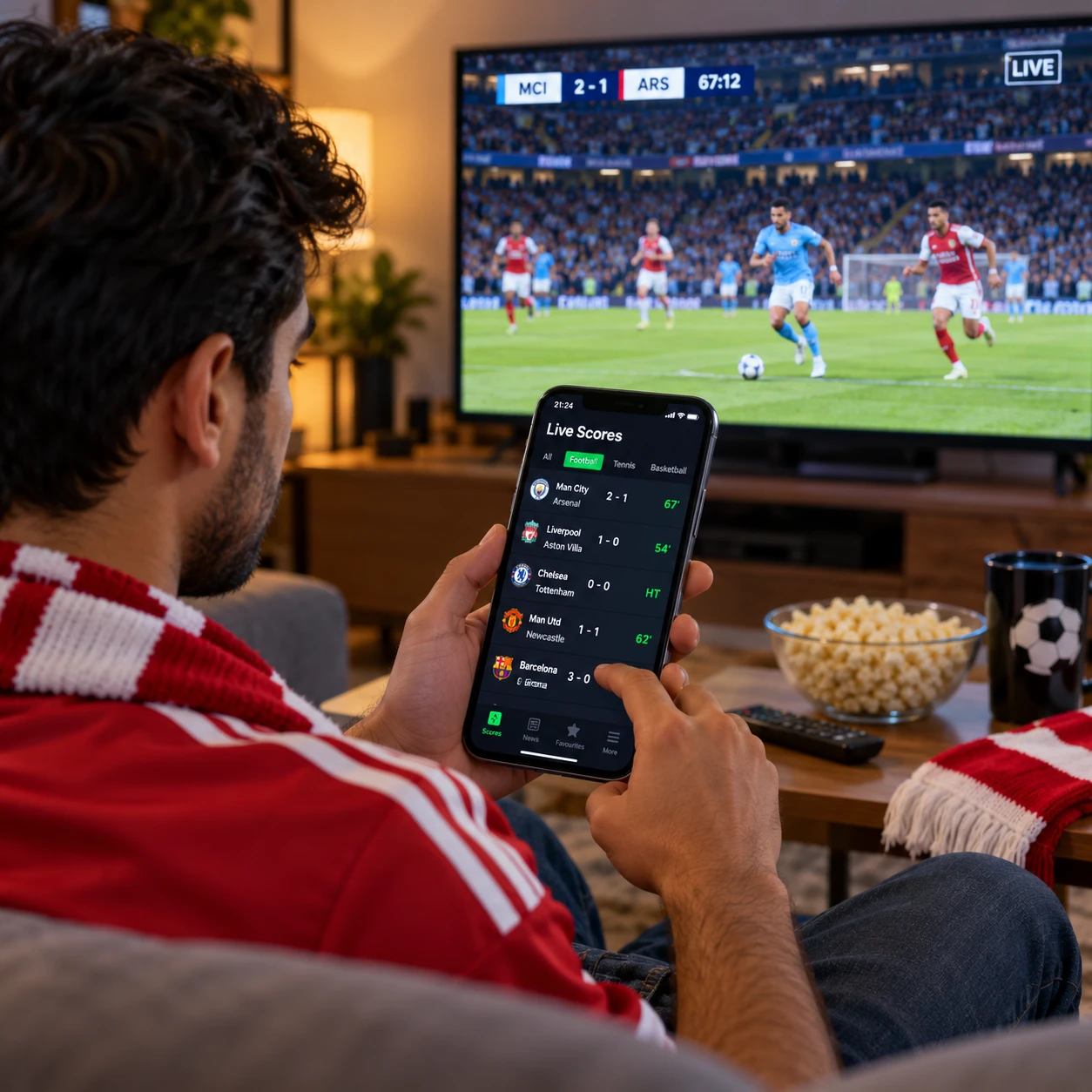
A live score platform can make following a match easier, whether you are away from a screen or tracking several games at once. But a score that arrives quickly is only useful if it is correct, and a correct update that appears late may miss the moment you wanted to follow.
Comparing platforms means looking at both update speed and score accuracy, then checking the sports, competitions, and match details that matter to you. No service should be assumed to be the fastest or most reliable in every sport and situation.
Why accuracy and speed matter in live scores
Accuracy tells you whether a score or match event is correct; speed tells you how soon it appears. Together, they shape how confidently you can follow a game in real time.
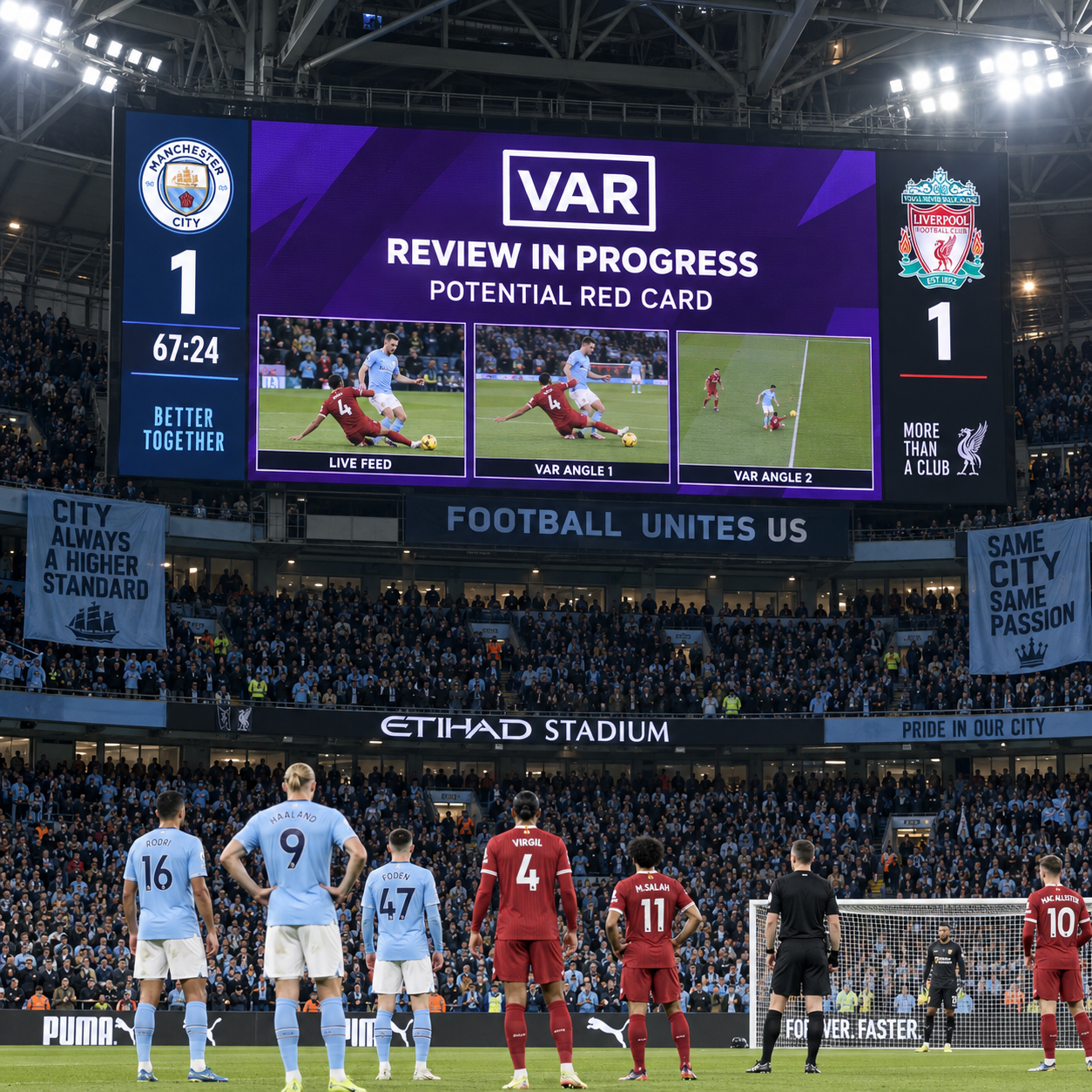
Live match events can change the picture quickly: a goal may be reviewed, a point awarded after a delay, or a score corrected when an official decision is confirmed. A fast platform might show an event first but revise it moments later. Another may wait for confirmation, showing a steadier score with a longer delay.
That distinction matters most when you are tracking more than the headline score. A late red card, a set point, or a change in the match clock can affect how you understand the contest. If the platform updates the score but not the event timeline, you may have trouble working out what happened.
There is no single ideal balance for everyone. If you want a quick glance at a final score, a small delay may not matter. If you are following a close match minute by minute, consistent updates, clear event descriptions, and a visible indication that data may be delayed become more useful.
What affects live score accuracy
Live score accuracy depends on how match events are collected, checked, and corrected. Data providers, official event records, and the rules of each sport can all affect what a platform displays.
Many live score platforms receive information from data providers that collect or distribute match events. Reporting methods vary. Some events may come from people at the venue, while others are supplied through official feeds or other data systems. A platform then processes that information and presents scores, statistics, and timelines in its app or website.
Discrepancies can occur at several points in that chain. A goal, penalty, point, or substitution might be entered late, assigned to the wrong player, or updated after a review. Providers may also correct an event after receiving more reliable information. A temporary error is not automatically proof that a service is broadly inaccurate; patterns across matches offer a better basis for comparison.
Sport-specific rules add complexity. In tennis, for example, a point, game, and set are different score units. In cricket, the score depends on runs, wickets, and overs. Football may involve added time, a video review, or a goal later ruled out. Check that a platform handles the sports you follow clearly, especially when event status can change.
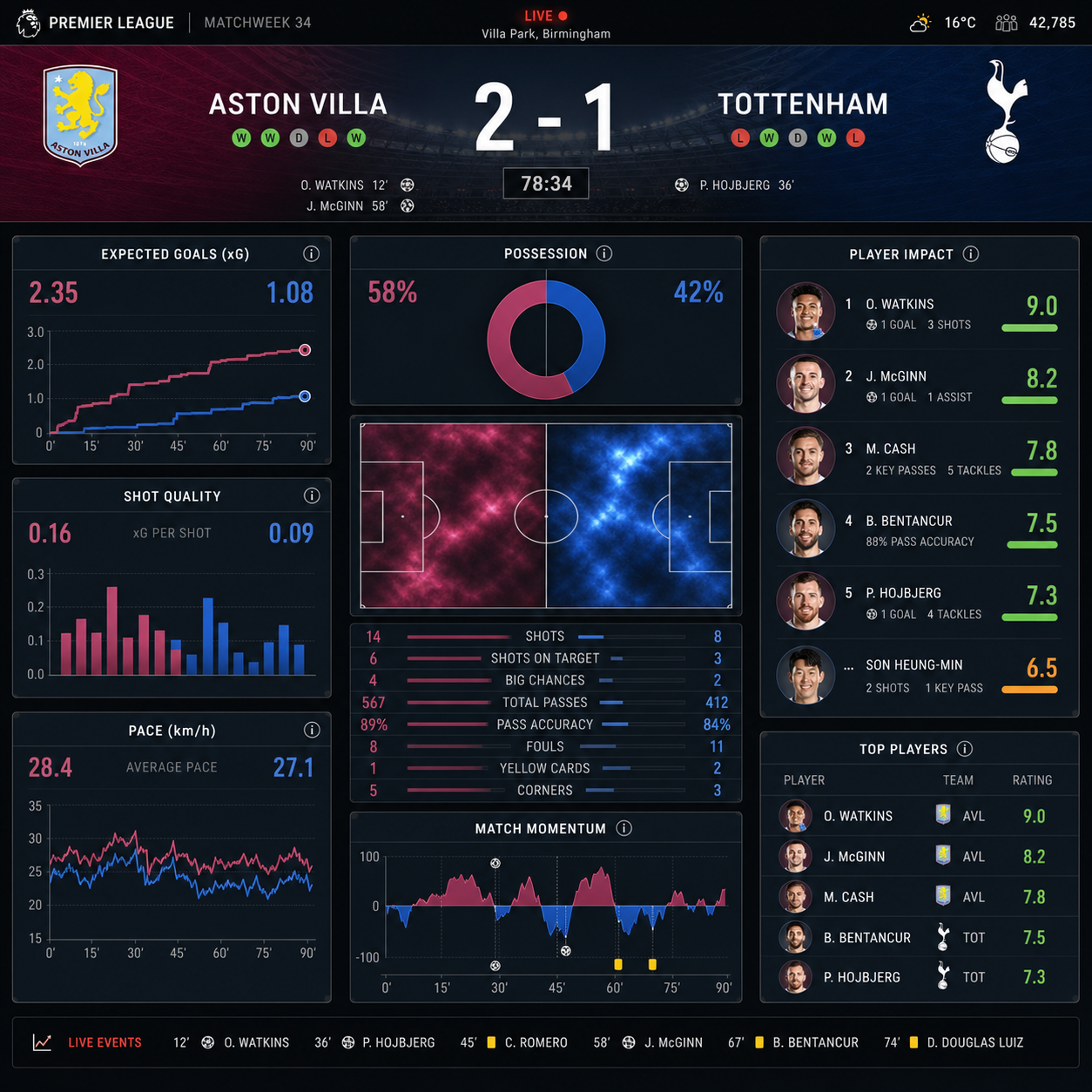
It also helps to distinguish match facts from estimates. Some statistics, such as possession or shot locations, may be calculated or sourced differently across services. They can provide context, but they are not always as directly verifiable as the official score.
How quickly platforms update scores
Update speed is the time between an event happening and a platform displaying it. That delay can vary with data collection, provider feeds, platform processing, and your own internet connection.
Live updates are not necessarily instantaneous. An event may need to be observed, transmitted, checked, and delivered to your device. During a busy match or a period with several events, those steps may produce a short lag. A correction can also make one service appear slower because it waits for confirmation before changing the score.
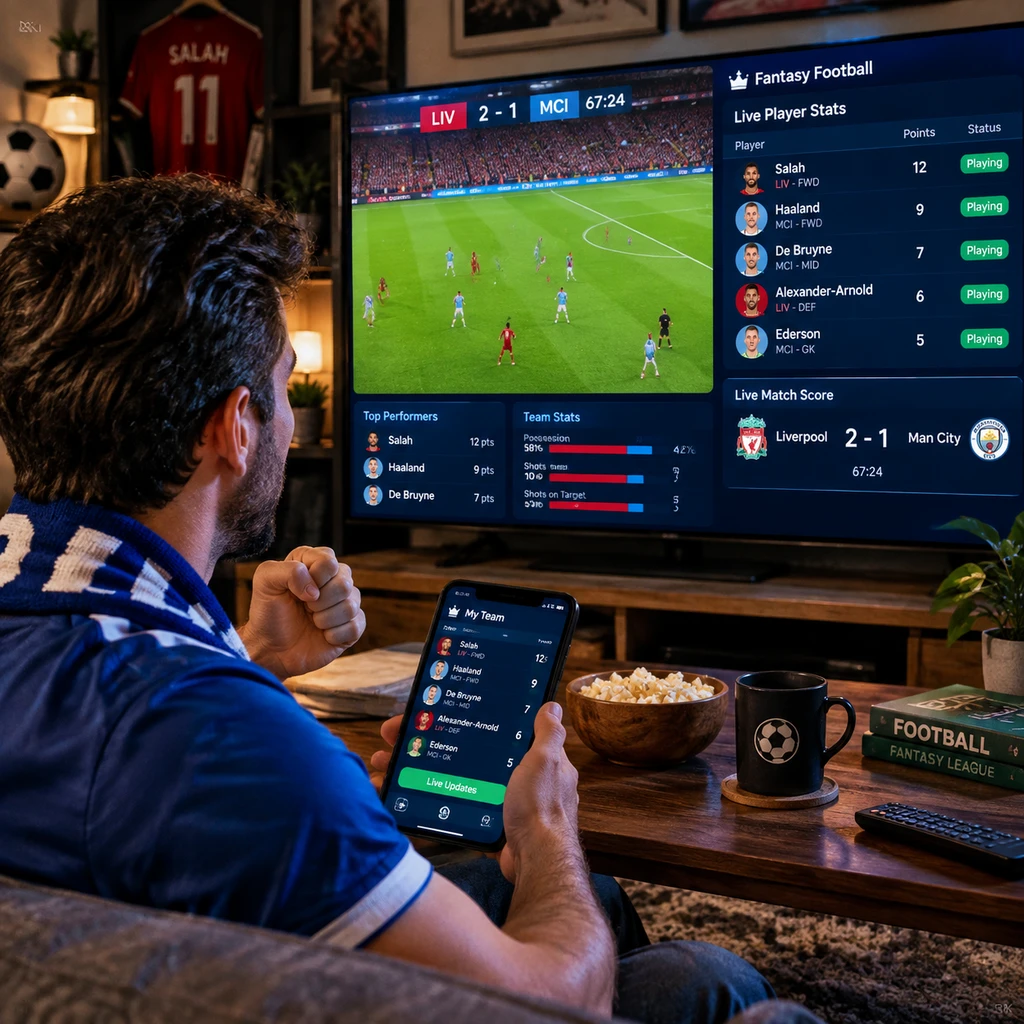
Your device and network matter, too. Weak Wi-Fi or mobile data can delay a fresh update, while an app that is suspended in the background may not refresh until you reopen it. Some platforms refresh automatically; others rely more heavily on notification delivery or manual refresh. Battery-saving settings and notification permissions can also affect what you receive and when.
To make a fair comparison, use the same internet connection and follow the same match on each service. Note the time an event occurs on a reliable video or broadcast source, then compare when each platform displays it. Repeat the check across more than one event: a single fast update may be an exception, not a dependable pattern.
Choosing a service for speed may mean accepting that an early event can be revised. A service that waits for confirmation may feel slower but provide a clearer record. Look for a platform that makes corrections understandable rather than treating every first update as final.
Features to compare beyond the score
Compare match statistics, event timelines, push notifications, and sports coverage alongside the score. These features show whether a platform helps you understand and follow a match, not just see its latest result.
A useful event timeline records key moments in order and makes changes easy to spot. Match statistics can add context, though the available details and their source may vary by sport. Check whether the platform distinguishes confirmed events from events under review, and whether it shows the match clock or other sport-specific information accurately.
Push notifications are useful when you cannot keep the app open. Check which events you can select, whether alerts can be muted by match, and whether the app clearly reports notification settings. An alert is a delivery feature, not a guarantee of instant or definitive information; it may be delayed by the data feed, device settings, or network.
Sports coverage is another practical test. A service may handle major leagues well but offer sparse details for smaller competitions or less prominent sports. Before relying on it, search for the exact league or tournament you follow and check whether it provides live scores, match statistics, event timelines, and final results.
- Event detail: Are important match events explained and time-stamped?
- Statistics: Are the metrics relevant to your sport and clearly labeled?
- Notifications: Can you choose alerts without receiving too many?
- Coverage: Are your teams, leagues, and competitions included?
- Usability: Can you find a match and read its score quickly?
How to assess a platform for your needs
Assess a live score platform by testing your sports, comparing updates during real matches, and checking whether its features fit your routine. A short, consistent trial is more useful than relying on a broad claim about speed or accuracy.
Start with the sports and competitions you follow most. Open a few live matches, including one from a less prominent league if that is relevant to you. Check that the score format, match clock, and event labels make sense for each sport.
Next, compare update behavior. Follow the same match in two or more platforms using the same connection. Record when major events appear, whether the score changes are later corrected, and how much detail the timeline provides. Repeat this on different days or across different sports. The aim is to see a pattern, not to crown a winner based on one goal or point.
Then test the everyday experience. Turn on one or two push notifications, confirm they arrive, and see whether you can control which events trigger alerts. Check how the app behaves when it is in the background and whether reopening it refreshes the match. A feature that looks comprehensive in a menu may be less useful if the interface makes it hard to find a game.
Choose based on your own priorities. One platform may offer wider sports coverage, while another may provide a clearer event timeline or a better set of notifications. Record both the advantages and the compromises; there may be no single service that excels at every sport and feature.
What to do when platforms disagree
When live score platforms disagree, check the specific event, allow time for a correction, and compare against a reliable source. A brief mismatch may reflect a reporting delay or review rather than a lasting scoring error.
First, check that both platforms show the same match, period, and competition. Similar team names or duplicate fixtures can cause confusion. Then look at the event timeline: one service may have registered a score before a review, while another may still be waiting for confirmation.
Refresh the match page or reopen the app after a short interval, especially if your connection is unstable. If the difference remains, compare with the competition organizer’s official match information or a trusted broadcast. For important details, such as a final result or a player’s statistics, give priority to an official record when one is available.
Keep the score and related statistics separate in your assessment. A platform might show the correct score while differing on an assist, shot count, or other statistic. Note what disagrees, and avoid treating every difference as evidence that the whole service is unreliable.
Frequently asked questions
Why can two live score platforms show different scores?
Platforms may use different data providers or receive an event at different times. A score can also change after an official review, correction, or interpretation of a sport-specific rule. Check the event timeline and allow time for both services to update.
What can cause a delay in live score updates?
A delay can come from event reporting, provider transmission, platform processing, weak internet, or an app that has not refreshed. Background restrictions and notification settings may also affect what appears on your device.
Are live score notifications always immediate?
No. Push notifications depend on the platform’s data feed, the network, and your device settings. They can arrive after the event or be affected by muted alerts, battery-saving features, or restricted background activity.
How can I check whether a live score is accurate?
Confirm that the match and period are correct, check the event timeline, and refresh after a brief wait. If the score still conflicts with another service, compare it with the competition organizer’s official information or a trusted broadcast.